Blog
Stories about how languages work, why they're strange, and what makes learning them fascinating.

Korean Invented the World's Most Logical Alphabet in 1443, On Purpose
Most writing systems are accidents of history. Korean's was engineered on purpose — by a king who wanted everyone to be able to read.

Spaced Repetition Is Overrated (And Underrated)
Every word of the SRS gospel is true. And it leads people spectacularly astray.
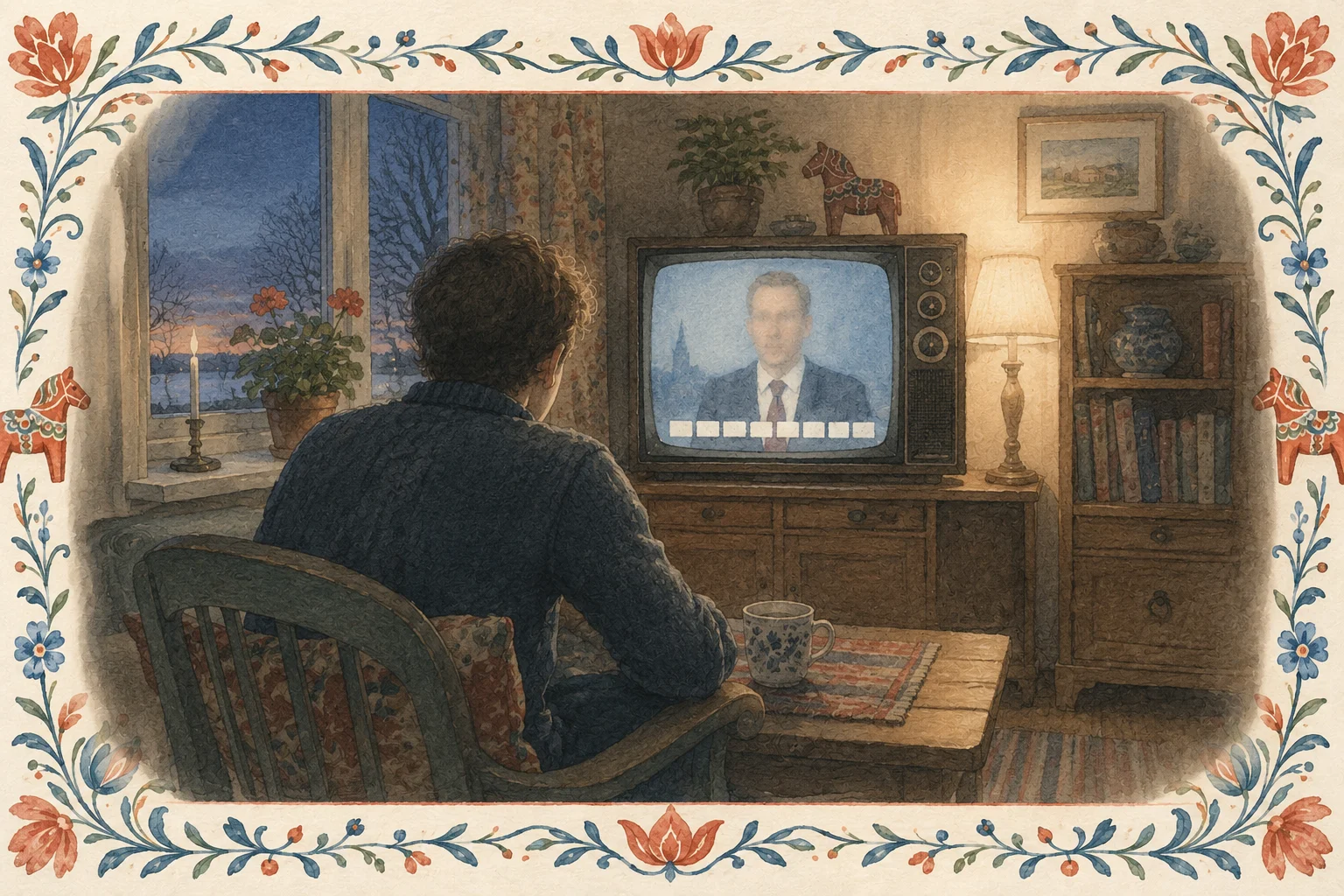
Swedish vs Danish: Almost Identical on Paper, Incomprehensible When Spoken
Swedes need subtitles to watch Danish television. The two languages are close enough on the page to share a newspaper — but the moment a Dane opens their mouth, the Swede is lost.

Turkish Vowel Harmony: Your Mouth Decides the Suffix for You
Most grammar rules add complexity. Turkish vowel harmony removes it — your mouth decides the suffix for you.

Comprehensible Input and Its Discontents, or How I Learned to Love Reading
The theory is right. The science is settled. The advice, however, is useless.

The Intermediate Plateau: Why You Feel Stuck (And What Actually Helps)
You finished the tree. You kept your streak. You can order coffee and ask where the bathroom is. And then... nothing.

Whispered Vowels: Why Japanese and Portuguese Sound Alike
Japanese and European Portuguese sound nothing alike. And yet both languages do the same strange thing: they whisper their vowels.

Every Language Has Irregular Verbs. They Exist for the Same Reason.
"Go / went / gone." Every learner has stared at an irregular verb table and thought: why can't they just be regular? The answer is frequency.

Hand Shoe, Glow Pear, Shield Toad: How German Names Things
Germans looked at a glove and thought: that's a shoe for your hand. Which is, frankly, more logical than whatever English was thinking.